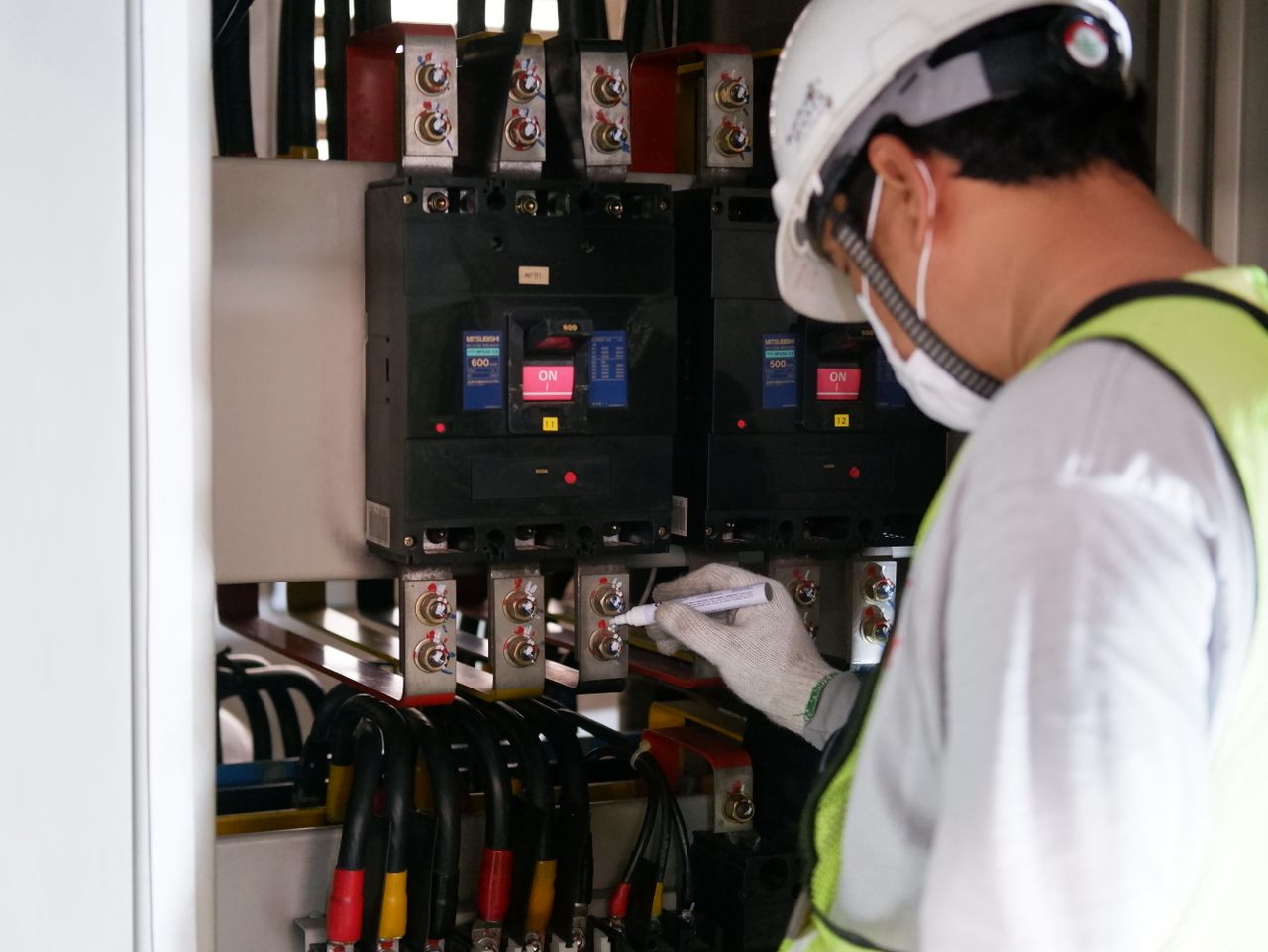

When selling your home or completing a major installation, obtaining an Electrical Certificate of Compliance (CoC) is a legal requirement in South Africa. Designed to ensure your property is completely safe for the next occupant, a CoC inspection thoroughly evaluates your entire electrical system.
Unfortunately, many Pretoria homeowners are caught off guard when their inspection fails, leading to costly delays in property transfers.
To help you prepare, here are the 5 most common reasons an electrical CoC inspection fails—and what needs to be done to fix them.
1. Faulty or Missing Earth Leakage Protection
Your earth leakage unit is the primary safety net on your distribution board (DB board). Its job is to trip and disconnect power instantly if a fault or current leak occurs, preventing fatal electrical shocks. During an inspection, the electrician tests both the trip speed and sensitivity of this unit. If it fails to trip, trips too slowly, or is missing entirely, the installation fails automatically.
2. Exposed Wiring and Unsealed J-Boxes
Every wire connection in your home must be properly housed and insulated. Open junction boxes, exposed live wiring near light fittings, or unsealed wire joints in roof spaces are severe safety hazards. Electricians frequently find loose, exposed wiring in roof cavities where previous DIY fixes were attempted without proper conduit protection.
3. Incorrect Wire Sizing and Overloaded Circuit Breakers
Circuit breakers are sized to protect specific cable thicknesses from overheating. A common reason for failure occurs when a high-draw appliance (like a stove, geyser, or air conditioner) is connected to a cable that is too thin, or wired into a breaker with an incorrect rating. Matching circuit breaker capacities directly with cable ratings is essential for fire prevention.
4. Non-Compliant Additions or DIY Modifications
Any modifications added after the original installation must meet current SANS 10142-1 wiring standards. Common DIY culprits include:
- Unregistered extensions run to outdoor entertainment areas or sheds.
- Non-compliant light fittings or plugs installed near water sources (like bathrooms or outdoor patios).
- Unsafe wiring added for security gates, pool pumps, or garden lights.
5. Unapproved Solar, Inverter, or Generator Connections
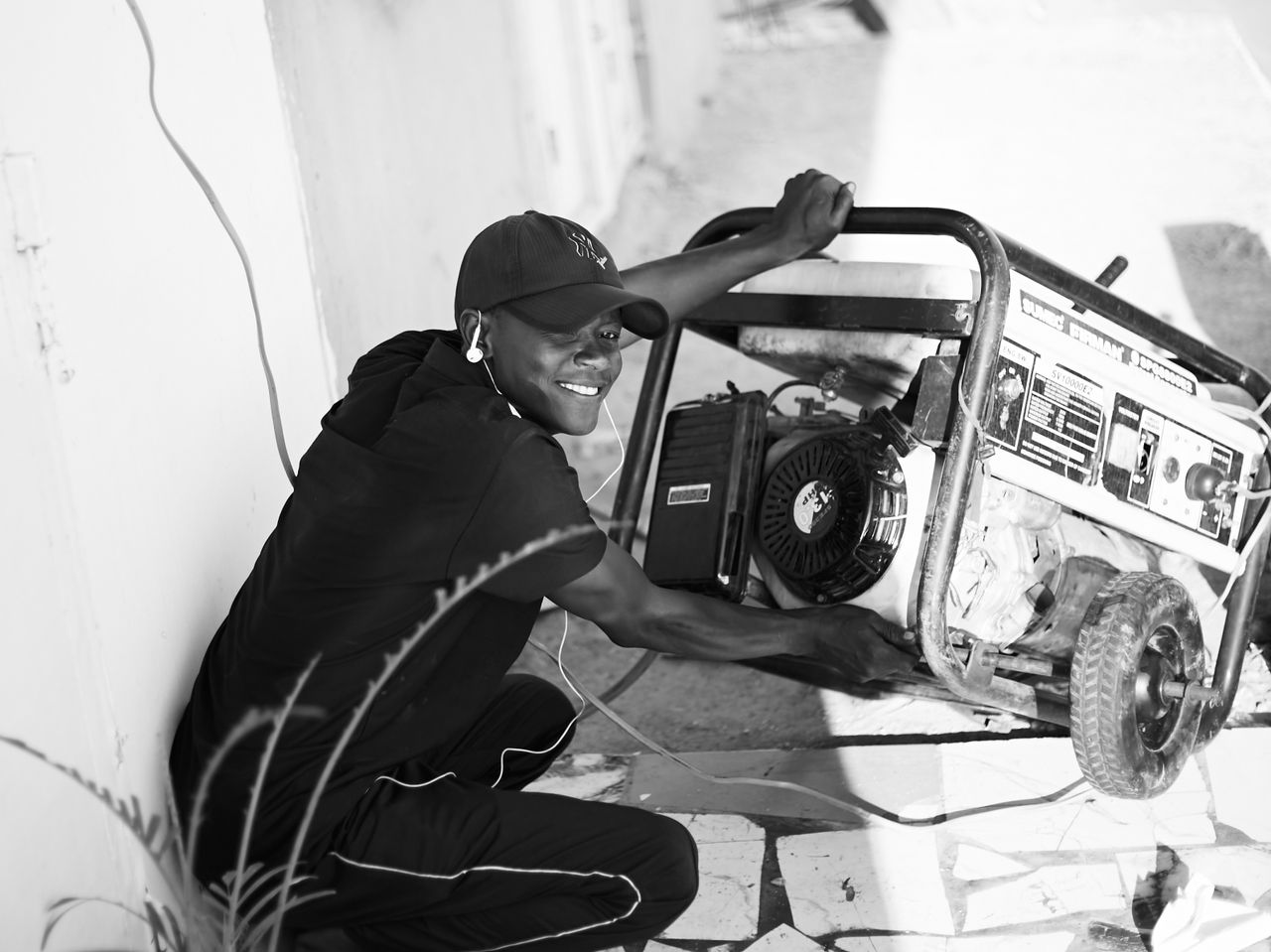
With back-up power systems becoming standard across Pretoria, non-compliant solar and inverter installations have become a leading cause of CoC failures. Back-up systems must feature approved changeover switches, correct earthing, and proper isolation points to prevent back-feeding into the grid.
How to Guarantee a Smooth CoC Process
Failing a CoC inspection doesn’t mean your property is unsafe forever—it simply means minor rectifications are required before the official certificate can be issued.
If you are preparing to sell your home or need a certified safety inspection, work with a Department of Employment and Labour (DOL) registered electrician.
Visit our official Electrical CoC Services Page to book your inspection or learn more about our comprehensive compliance testing across Pretoria.