
Whether you are building a new property, upgrading an aging electrical system, or dealing with a sudden power outage in the middle of the night, having a trusted, registered electrician on call is essential. Electrical work isn’t just about keeping the lights on—it’s about protecting your property, ensuring efficiency, and keeping your family safe.
Understanding the difference between new installations, ongoing maintenance, and emergency repairs can help you make informed decisions and prevent costly electrical failures down the road.
1. New Electrical Installations: Building for Safety and Efficiency
Starting a new building project or adding an extension requires careful electrical planning from day one. A compliant new installation involves much more than running wires behind walls—it requires calculating power loads, placing outlets strategically, and ensuring full adherence to SANS 10142-1 wiring standards.
Key components of professional new installations include:
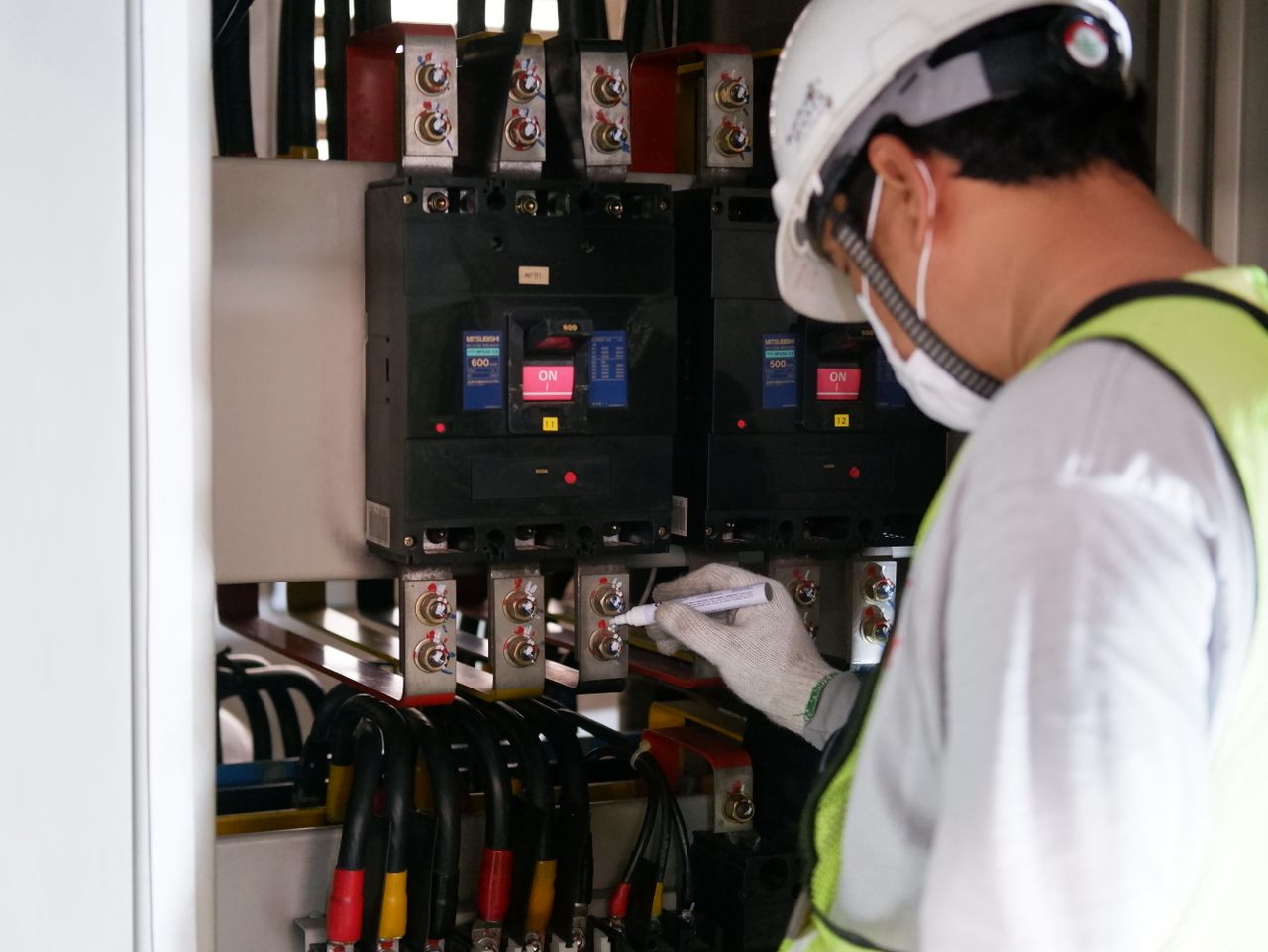
- Custom Distribution Board (DB Board) Design: Sizing circuit breakers correctly to handle modern appliance loads without tripping.
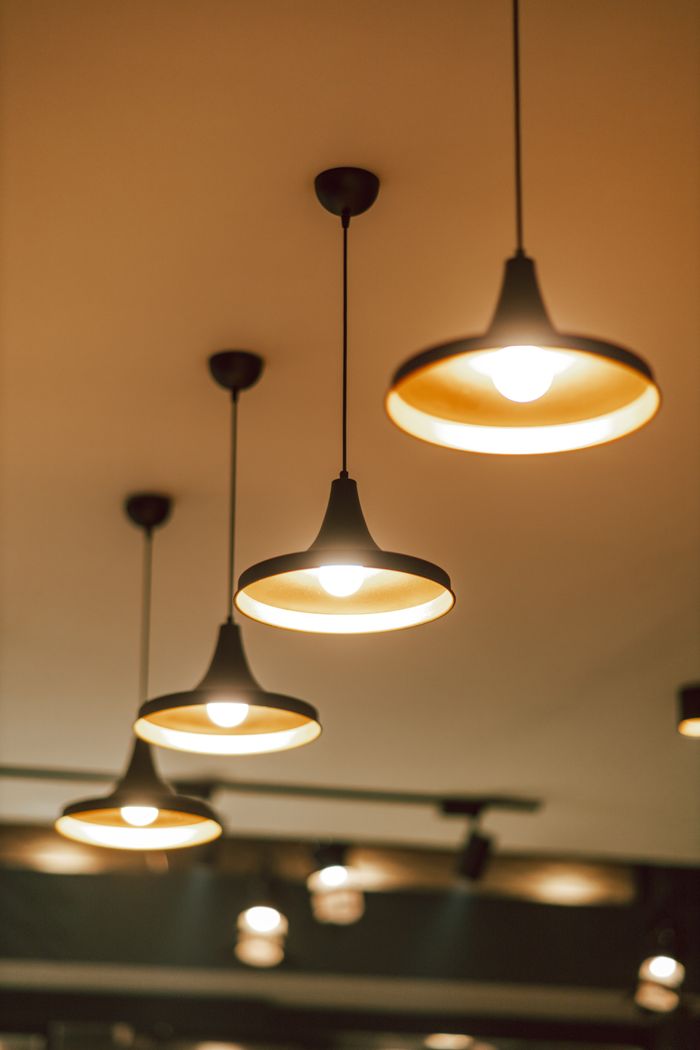
- Energy-Efficient Lighting Systems: Designing LED layouts for residential homes, offices, and commercial spaces.
- Dedicated Lines for High-Power Appliances: Dedicated circuits for geysers, stoves, heat pumps, and air conditioners.
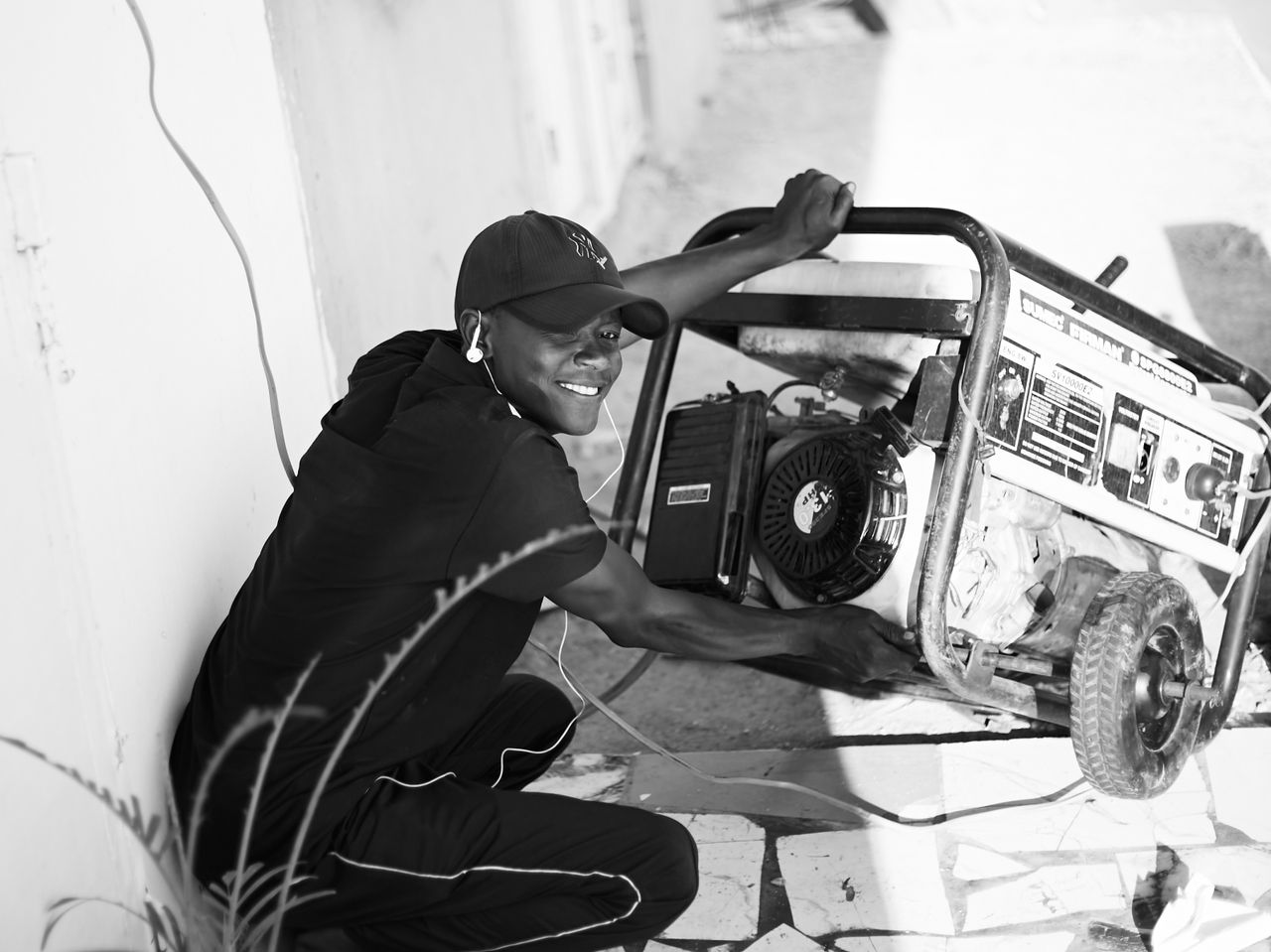
- Back-up Power Integration: Pre-wiring installations for seamless solar, generator, and inverter compatibility.
2. Existing Installation Maintenance: Preventing Costly Upgrades
Many homeowners wait until a switch stops working or a breaker constantly trips before calling an electrician. However, routine electrical maintenance on existing installations is the single best way to prevent electrical fires and avoid expensive emergency call-outs.
Signs your existing electrical system needs professional maintenance:
- Flickering Lights or Buzzing Outlets: Often caused by loose terminal connections or degraded wiring inside wall boxes.
- Warm Switch Plates or Wall Plugs: A clear warning sign of dangerous electrical resistance and overheating.
- Outdated DB Boards: Older fuse boxes or boards lacking modern earth leakage protection pose severe safety hazards.
- Frequent Tripping: Indicates balanced load issues, failing appliances, or insulation degradation inside wall conduits.
Regular maintenance ensures your wiring remains safe, operates efficiently, and maintains full compliance for future Electrical Certificate of Compliance (CoC) inspections.
3. Emergency Electrical Repairs: Fast Response When You Need It Most
Electrical emergencies rarely happen at a convenient time. A sudden total power failure, a burning smell coming from your DB board, or sparking outlets require immediate, expert intervention to restore safety.
Common emergency electrical issues in Pretoria include:
- Severe Storm & Power Surge Damage: Lightning strikes and grid power restoration spikes damaging main breakers or delicate electronics.
- Burnt Neutral Cables or Main Breaker Failures: High-load breakdown causing complete power loss to the property.
- Geyser Electrical Faults: Blown thermostats or shorted heating elements causing instant DB board tripping.
- Power Fault Finding: Rapidly isolating concealed cable faults beneath ground or inside roof cavities.
Partner with a Registered Local Electrician
From complete new wiring projects to urgent 24/7 emergency repairs, all electrical work should be handled by a Department of Employment and Labour (DOL) registered professional.
Need fast, reliable electrical solutions for your Pretoria home or business? Visit our comprehensive [suspicious link removed] to explore our full range of installation, repair, and compliance services, or contact our team directly for an immediate estimate.